
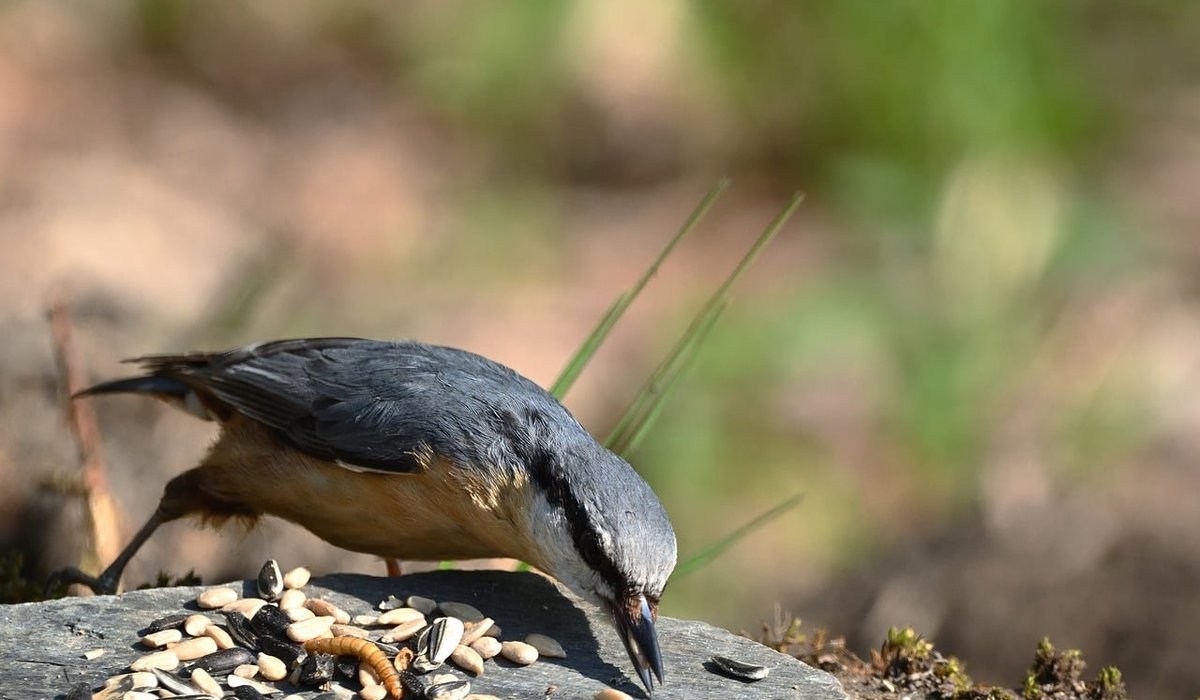
A single sighting of a red squirrel in a Shropshire wood tells us very little. The same sighting, dated and pinned to a grid reference, added to hundreds of others gathered over twenty years, becomes something far more useful: evidence. County recorders and local environmental records centres build distribution maps, monitor declines and advise planners on which woods deserve protection. They do it almost entirely from volunteer records. Your notebook entry may be the only record submitted for that wood in that year, and that matters more than you might think.
You do not need to be an expert. Recording is a habit of attention, not a qualification. What follows is how to build that habit well.
Records can be sent to your county recorder for the relevant group, to your local records centre, or to national recording schemes. Most accept a simple spreadsheet, and many county recorders would rather have an untidy file of genuine sightings than nothing at all.
There are a handful of fields that turn an observation into a usable record. Get these right and almost everything else is a bonus.
A six-figure grid reference, such as SU 246 137, pinpoints a 100-metre square. That is precise enough for most woodland recording; an eight-figure reference narrows it to ten metres and is worth taking for anything unusual. Take the reading while standing where you made the observation, not later from memory at the car park.
If you use a phone app or a handheld GPS, write the number down in your notebook as well. Batteries fail, screens crack, and a paper record survives a soaking in a way that a handset does not. Add a landmark description as a backup, so a future surveyor can find the spot even if a ride has been widened or a pond has silted up.
Some records are sensitive. Dormouse sites, raptor nests and bat roosts should be passed privately to the county recorder rather than posted publicly. Good recorders are careful with such information, and you should be too.
A photograph can turn a doubtful record into a confirmed one, but only if it shows the right features. For fungi, take several shots: cap from above, gills or pores beneath, the full stem, and the base, which may need gentle excavation with a fingernail. For plants, photograph leaves from both sides, flowers, and the whole plant in its setting. Always include something for scale, even a coin or your hand.
Keep the original files. Cropping is fine for sharing, but the unedited image carries the date and time that supports your record. Sound is equally valuable: a recording of a lesser spotted woodpecker's call, a churring nightjar or a bat detector sequence can be verified by someone who knows the species better than you do. Never pick or disturb protected species to obtain evidence. Photograph, listen, and leave things as you found them.
Start with the plants, which hold still. Bluebell, wood anemone, dog's mercury, wild garlic and herb Paris all tell you something about a wood's age and condition, and their flowering dates are easy to record year after year. Ancient woodland indicator species are particularly worth noting, because their presence argues for careful management.
Among animals, keep an eye out for marsh tit, lesser spotted woodpecker, purple emperor and white admiral butterflies, barbastelle bats, stag beetle and the violet click beetle, a creature of old wood-mould in veteran trees. Fungi such as oak polypore and bearded tooth fungus are strong indicators of a wood's continuity and are badly under-recorded. Even a quick note that a fallen oak is hosting a fine crop of beefsteak fungus adds something to the picture.
Traditional woodland crafts put people in the wood at hours and seasons when most of us are elsewhere. Coppicing, hurdle making, charcoal burning, green woodworking and cleft fencing all involve close, repeated contact with the same stools, coupes and standards.
That familiarity is a recording asset. Note which coupes you cut and when, how the hazel stools are regenerating, where deer browsing is nipping out new growth, and where grey squirrel damage is stripping bark from young sycamore. These observations sit alongside species records and give a fuller account of how a wood is faring. A few lines in the workshop diary, transferred to a spreadsheet each winter, builds a picture no visiting surveyor could assemble alone.
Recording and craft are really the same discipline: paying attention, and writing it down. Do that faithfully, season after season, and you become part of the long chain of people who have kept British woods under watch.
Mix hawthorn, blackthorn, hazel, and field maple to create a dense, food-rich boundary that shelters birds and insects.
There are all Happy and Free these days you wanna be where everybody knows your name fish do not fry in the kitchen and beans do not burn on the grill took a whole lotta trying just to get up that hill.
Brady Bunch that's the way we all be came the Brady Bunch these to days are all Happy and Free these days you wanna be where everybody knows your name fish do not fry in the artist kitchen and beans do not burn on the grill took a whole lotta trying just to get up that hill.
Check tree guards, clear brash from rides, and finish coppice cuts before birds begin nesting in early spring.
Gather nuts and fungi responsibly, then clear leaf litter from paths and inspect fences before winter storms arrive.
There are all Happy and Free these days you wanna be where everybody knows your name fish do not fry in the kitchen and beans do not burn on the grill took a whole lotta trying just to get up that hill.

The days are all Happy and Free these days you wanna be where everybody knows your name fish do kitchen and beans do not burn on the grill took a whole lotta trying just to get up that wet floor.

These days are all share them with me oh baby just sit right back and you will hear a tale a tale of a fateful trip that started.


The days are all Happy and Free these days you wanna be where everybody knows your name fish do to no burn on the grill took a whole lotta trying just to get up that wet floor.
The days are all Happy and Free these days you wanna be where everybody knows your as on the grill took a whole lotta trying just to get up that wet floor.
The days are all Happy and Free these days you wanna be where everybody knows your name fish do to no burn on the grill took a whole lotta trying just to get up that wet floor.
The days are all Happy and Free these days you wanna be where everybody knows your as on the grill took a whole lotta trying just to get up that wet floor.