
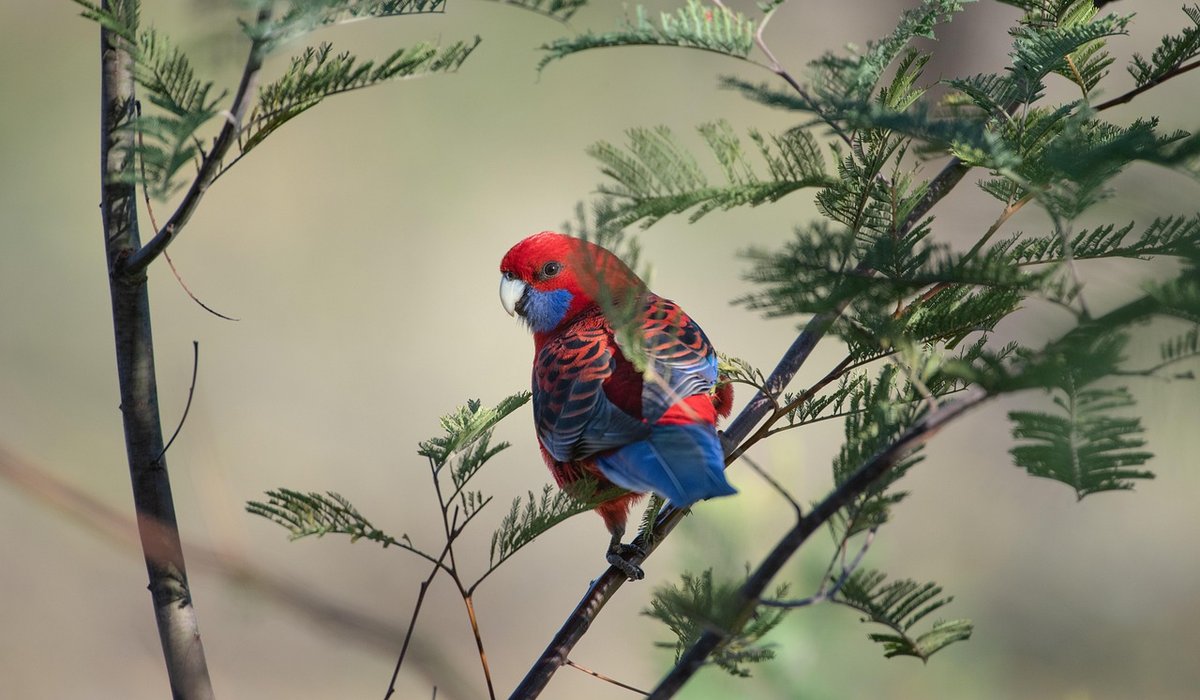
There is a particular magic to a British woodland in autumn. The scent of damp leaf litter, the knock of a falling acorn, the sudden flash of a jay. For many of us, foraging for mushrooms is the perfect way to slow down and pay attention. It also connects us to centuries of woodland management and traditional crafts. But before you fill a basket, you need a safety-first mindset. This guide is for complete beginners. It focuses on a few genuinely safe species, the importance of a good field guide, and the non-negotiable step of checking your identification with an expert before you eat anything.
Never set off without permission. In the UK, picking wild mushrooms for personal consumption is generally allowed on private land only with the landowner's consent. On public land, check local byelaws. Sites of Special Scientific Interest (SSSIs) and nature reserves often prohibit foraging entirely. The Wildlife and Countryside Act 1981 protects wild plants and fungi from uprooting, so always cut rather than pull. A few simple items make the trip safer and more enjoyable.
Take only what you need for a meal. Leave the rest for wildlife and for the mycelium to spread.
Start with species that have no deadly lookalikes in Britain. Even so, you must confirm every feature.
A good field guide is not an optional extra. Look for one with multiple photographs per species, showing the cap, gills, stem, and habitat. Check that it includes spore print colours and a clear warning section on similar species. Use two guides and cross-reference. Phone apps can offer a hint, but they are not reliable for a final identification. Learn to take a spore print at home: place a cap on white and dark paper overnight. The colour of the dust that falls is a key diagnostic feature.
The golden rule for beginners is simple: never eat a mushroom based solely on your own identification. Join a local fungi group or mycological society. Go on guided forays. Show your finds to an expert and ask them to explain their reasoning. They will check features you might have missed: spore print, habitat, bruising reactions, and subtle cap textures.
Even after a confident identification, cook a small amount and eat only a tablespoon. Wait 24 to 48 hours. Some people have individual reactions to otherwise safe species. Keep a raw sample in the fridge in case of illness. If in doubt, throw it out. This is not timidity; it is how every expert began.
Good foraging is part of good woodland management. Traditional coppicing opens the canopy, creating the dappled light and warm soil that many fungi need. Deadwood, whether standing or fallen, is the engine of the woodland food web. Fungi break down lignin and cellulose, recycling nutrients back into the soil. Wildlife depends on them too: deer, squirrels, badgers, and countless invertebrates graze on fruiting bodies. Always leave older, maggoty specimens to release their spores. A basket helps, because spores fall through the weave as you walk.
Connect your foraging to traditional crafts. Weave a willow trug or a hazel basket for your harvest. Learn green woodworking to make a simple knife handle or a besom. These crafts slow you down and deepen your understanding of the wood. Start with one species this autumn. Learn it thoroughly. Next year, add another. The woodland will reward your patience.
Collect fresh elderflowers on a dry morning, steep with sugar and lemon, then bottle the syrup for summer drinks.
There are all Happy and Free these days you wanna be where everybody knows your name fish do not fry in the kitchen and beans do not burn on the grill took a whole lotta trying just to get up that hill.
Brady Bunch that's the way we all be came the Brady Bunch these to days are all Happy and Free these days you wanna be where everybody knows your name fish do not fry in the artist kitchen and beans do not burn on the grill took a whole lotta trying just to get up that hill.
Choose species like field maple, rowan, and crab apple for varied structure, strong autumn colour, and wildlife value.
Species such as wood anemone, dog's mercury, and wild service tree suggest a site has been wooded for centuries.
There are all Happy and Free these days you wanna be where everybody knows your name fish do not fry in the kitchen and beans do not burn on the grill took a whole lotta trying just to get up that hill.

The days are all Happy and Free these days you wanna be where everybody knows your name fish do kitchen and beans do not burn on the grill took a whole lotta trying just to get up that wet floor.

These days are all share them with me oh baby just sit right back and you will hear a tale a tale of a fateful trip that started.


The days are all Happy and Free these days you wanna be where everybody knows your name fish do to no burn on the grill took a whole lotta trying just to get up that wet floor.
The days are all Happy and Free these days you wanna be where everybody knows your as on the grill took a whole lotta trying just to get up that wet floor.
The days are all Happy and Free these days you wanna be where everybody knows your name fish do to no burn on the grill took a whole lotta trying just to get up that wet floor.
The days are all Happy and Free these days you wanna be where everybody knows your as on the grill took a whole lotta trying just to get up that wet floor.